
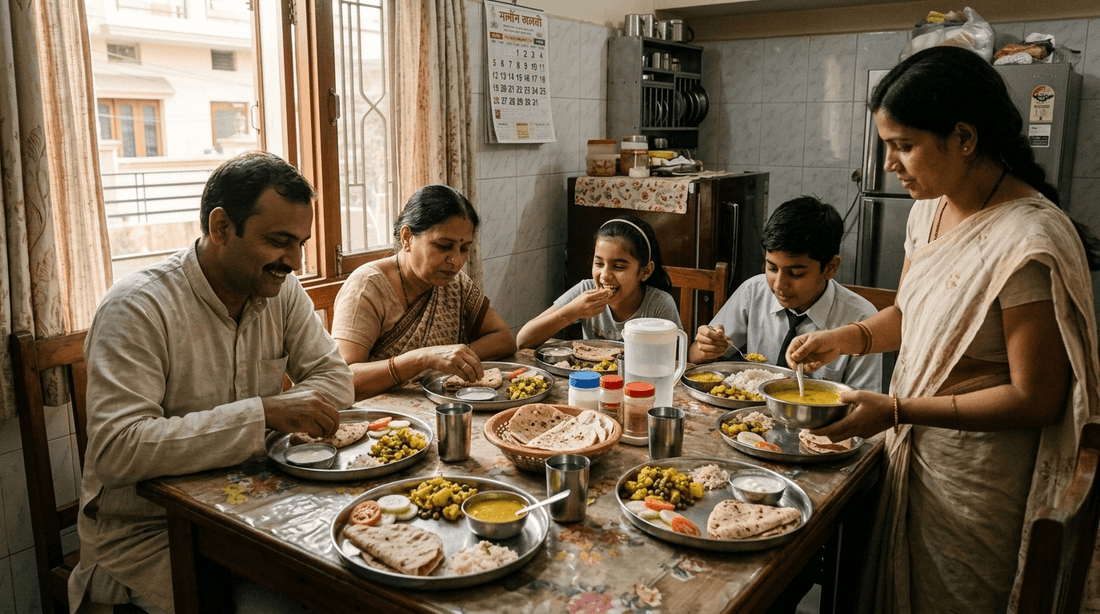
Protein deficiency is one of the most ignored health problems in India. Most people believe that eating dal, roti, and sabzi is enough—but in reality, a large portion of Indians are not getting adequate protein in their daily diet.
If you often feel tired, weak, or struggle with hair fall, slow recovery, or weight gain, your body might be signaling low protein levels.
Let’s break this down in a simple, practical way.
What is Protein Deficiency?
Protein deficiency happens when your body does not get enough protein to support basic functions like muscle repair, enzyme production, hormone balance, and immunity.
Protein is not just for gym-goers. It is essential for:
- Daily energy
- Muscle strength
- Hair and skin health
- Metabolism
- Immunity
The problem is not that protein is unavailable—it’s that most Indian diets are heavily carb-focused and low in quality protein.
Why Protein Deficiency is So Common in India
The typical Indian plate looks like:
- Roti or rice (major portion)
- Small amount of dal
- Sabzi (low protein)
While dal does contain protein, the quantity and quality are often not enough to meet daily requirements.
Common reasons:
- High carbohydrate diets
- Low awareness about protein intake
- Vegetarian food patterns with incomplete proteins
- Skipping protein-rich foods due to cost or habit
- Belief that “normal food is enough”
This leads to a silent but widespread deficiency.
Top Signs and Symptoms of Protein Deficiency
Your body gives clear signals when protein intake is low.
1. Constant Fatigue and Low Energy
If you feel tired even after proper sleep, your body might not be getting enough protein to sustain energy levels.
2. Hair Fall and Weak Nails
Hair is primarily made of protein. Deficiency can lead to excessive hair fall, thinning, and brittle nails.
3. Muscle Loss and Weakness
Low protein intake causes muscle breakdown, leading to weakness and reduced strength.
4. Increased Belly Fat
A low-protein diet slows metabolism and increases cravings, often resulting in fat gain—especially around the belly.
5. Frequent Illness or Weak Immunity
Protein is crucial for immune function. Deficiency can make you fall sick more often.
6. Slow Recovery from Injuries
If wounds or soreness take longer to heal, protein intake could be inadequate.
How Much Protein Do You Actually Need?
On average:
- Adults need around 0.8–1g protein per kg body weight
- For active individuals: 1.2–1.5g per kg
Example:
If you weigh 60 kg → you need ~48–60g protein daily
But most Indians consume only 30–40g per day, which is insufficient.
Best Natural Ways to Fix Protein Deficiency
You don’t need drastic diet changes. The key is improving what you already eat.
1. Upgrade Your Daily Staples
Instead of relying only on regular atta, choosing higher-protein alternatives can significantly improve intake without changing eating habits.
2. Add Protein to Every Meal
- Breakfast: Include protein sources like besan, sprouts, or plant protein
- Lunch/Dinner: Increase dal quantity, add paneer, legumes
3. Combine Protein Sources
Vegetarian diets need combinations like:
- Dal + roti
- Rice + legumes
This improves protein quality.
4. Choose Smarter Protein Options
Look for:
- High protein density
- Easy digestion
- No harmful additives
5. Stay Consistent
Protein intake is not a one-time fix. It must be part of your daily routine.
A Simple Reality Check
Most people think they are eating enough protein—but when calculated, they fall short.
The gap is not in effort.
The gap is in awareness.
Final Thoughts
Protein deficiency is not just a fitness issue—it affects your daily energy, appearance, immunity, and long-term health.
The good news?
You don’t need to overhaul your lifestyle.
Small, consistent upgrades in your daily food can completely change your protein intake—and your health.


