
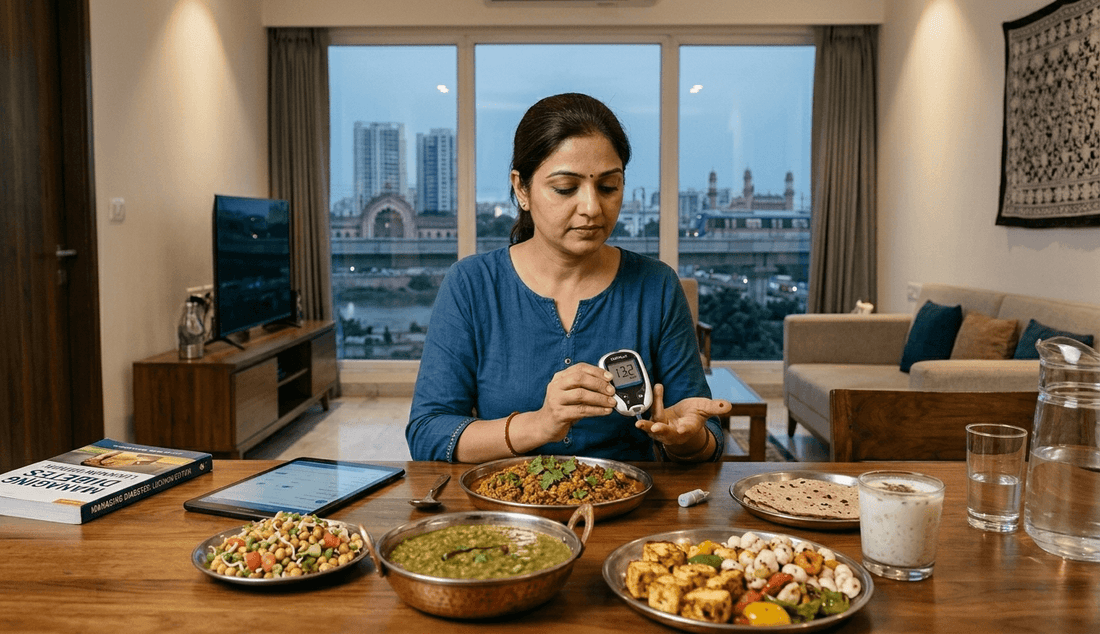
Diabetes is one of the fastest growing health concerns in India. Millions of people focus on reducing sugar and carbohydrates—but often ignore one critical nutrient: protein.
A low-protein diet can make blood sugar harder to control, increase hunger, and lead to unhealthy eating patterns.
Understanding the role of protein can help diabetics manage their health more effectively.
Why Protein Matters for Diabetes
Protein plays an important role in blood sugar regulation and overall metabolic health.
When your diet contains adequate protein:
-
Blood sugar rises more slowly after meals
-
Hunger is reduced
-
Energy levels remain stable
-
Muscle mass is preserved
This makes protein a key nutrient for people managing diabetes.
The Problem with Typical Indian Diets
Most Indian meals are dominated by carbohydrates.
A typical meal often includes:
-
Roti or rice (high carbohydrate)
-
Small amount of dal
-
Vegetable dish
This imbalance causes:
-
Rapid blood sugar spikes
-
Increased insulin demand
-
Frequent hunger and cravings
Adding adequate protein helps balance these meals and stabilize blood sugar.
How Protein Helps Control Blood Sugar
Protein supports diabetes management in several ways.
1. Slower Glucose Absorption
When protein is eaten with carbohydrates, it slows down digestion. This prevents sudden spikes in blood sugar levels.
2. Reduced Hunger and Cravings
Protein increases satiety, meaning you feel full for longer. This reduces the urge to snack on sugary or refined foods.
3. Better Insulin Response
Balanced meals containing protein help improve the body’s response to insulin, which is essential for blood sugar control.
4. Muscle Maintenance
Muscle tissue plays an important role in glucose metabolism. Adequate protein helps maintain muscle mass, which supports better blood sugar regulation.
How Much Protein Should Diabetics Consume?
Protein needs vary depending on age, body weight, and health condition.
In general:
-
Adults require around 0.8–1 gram of protein per kilogram of body weight
-
For better metabolic health, slightly higher intake may be beneficial
Example:
-
60 kg individual → approximately 48–60 grams of protein per day
Always consult a healthcare professional for personalized guidance.
Best Protein Foods for Diabetics (Vegetarian India)
Many vegetarian foods provide good protein without causing rapid blood sugar spikes.
Some excellent options include:
-
Lentils (dal)
-
Chickpeas (chana)
-
Paneer
-
Sprouts
-
Curd (dahi)
-
Besan (gram flour)
-
Peanuts and nuts
-
Legumes like rajma
Improving the quality of everyday staples can also help increase protein intake in daily meals.
Simple Protein-Balanced Meal Example
Breakfast
Besan chilla + curd
Lunch
Roti + dal + paneer sabzi
Evening Snack
Roasted chana or peanuts
Dinner
Roti + sprouts or legumes
This type of balanced meal pattern helps support steady energy and blood sugar stability.
Common Mistakes Diabetics Make
Many people unknowingly make diet mistakes such as:
-
Reducing food intake drastically
-
Avoiding fats but ignoring protein
-
Eating carbohydrate-heavy meals
-
Skipping protein in breakfast
These habits can worsen blood sugar fluctuations and hunger.
Small Changes That Make a Big Difference
You don’t need a complicated diet plan. Simple adjustments can help:
-
Include protein in every meal
-
Increase portion of protein-rich foods like lentils and legumes
-
Avoid carb-only meals
-
Focus on balanced meals rather than strict restriction
Consistency is far more important than perfection.
Final Thoughts
Managing diabetes is not only about avoiding sugar—it’s about maintaining balanced nutrition.
Protein plays a crucial role in controlling hunger, stabilizing blood sugar, and supporting long-term metabolic health.
By improving the balance of protein in everyday meals, many people can better manage their energy levels and overall wellbeing.


